

IRRV Annual Conference 2026: talking recovery, resilience and the rise of AI
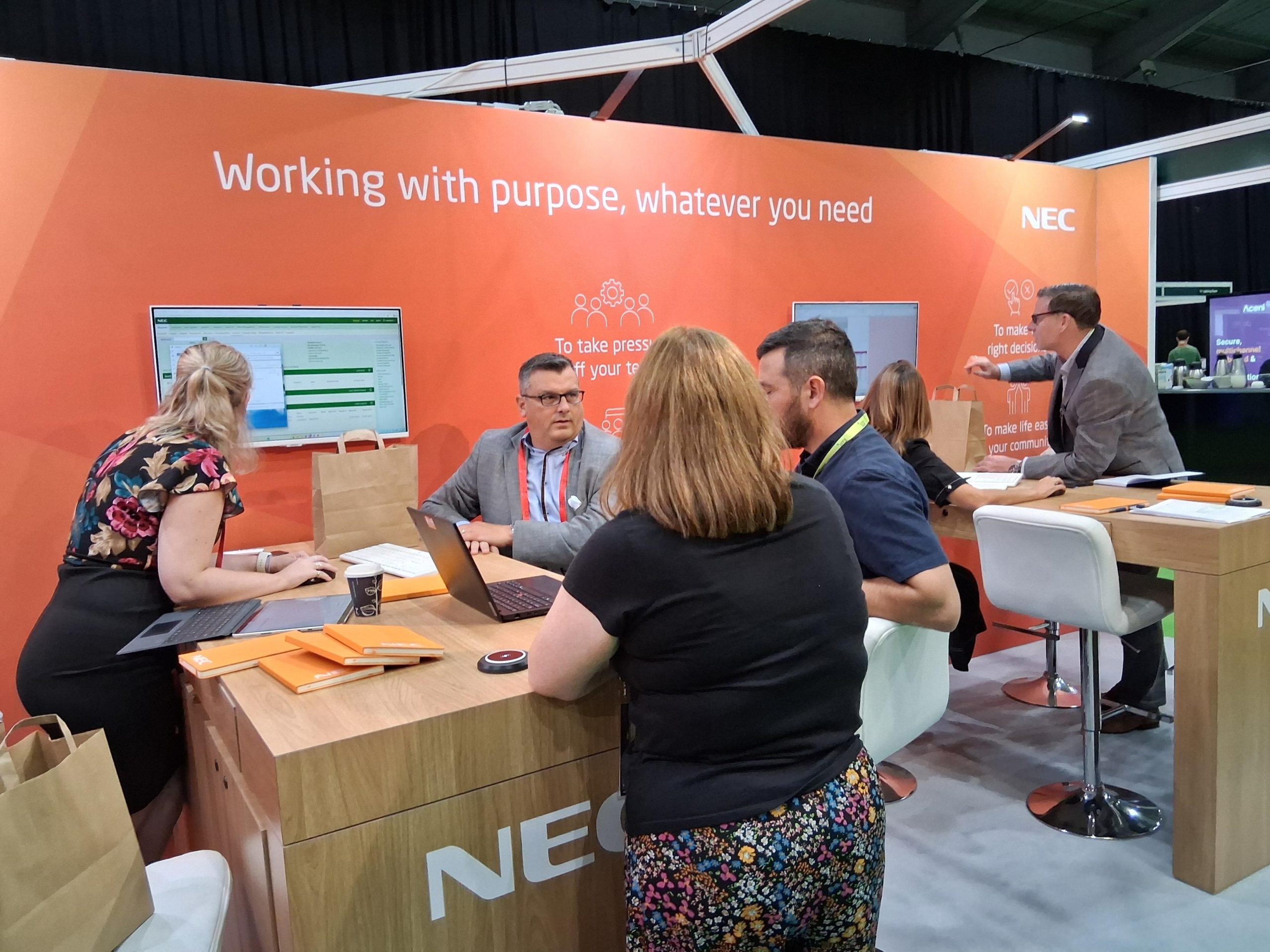
This year’s IRRV Annual Conference once again revealed the commitment and creativity of revenues, benefits and local government professionals. Across all the presentations – and our own conversations – one message came through loud and clear: councils are under pressure to protect income and maintain performance while giving residents fair, timely and effective support.
Rethinking recovery and early intervention
Recovery was a central theme. Councils are balancing debt collection performance with ethical practice, changing regulations and the growing need to intervene before financial difficulties escalate.
We know that earlier support improves outcomes for residents, but changes to established recovery processes must still be managed carefully; delaying a summons may give someone time to seek help, but unless accurate insight is driving targeted intervention it can also affect cash flow.
It’s only with the right data that teams can identify risk early and focus resources in the right places. NEC Revenues Analytics, for example, enables proactive arrears management, and effective mobile working takes that process deep into communities.
Financial resilience remains a priority
Financial pressures were never far from the conversation, with senior leaders considering how to deliver welfare support, shore up council finances and respond to residents facing hardship.
Against this backdrop, it’s easy to see why Council Tax Reduction Scheme modelling generated so much interest. Understanding the impact of potential changes on councils and residents will be key to building sustainable finances for everyone.
Revenue reviews are increasingly popular as means to bring back the income lost through outdated discounts and exemptions. That makes them an essential part of directing support to the right places, for example helping to boost Crisis & Resilience payments or fund income maximisation programmes.
Preparing for local government reorganisation?
Boundary changes remain a source of uncertainty, but we found that many authorities expect the reorganisation to progress and recognise the need to plan ahead.
Bringing systems, data and services together after a merger is complex. We know from our own experience supporting new unitary authorities that early planning, strong partnerships and supportive technology can ease the transition without disrupting day-to-day service delivery.
A new challenge: the rise of AI-generated complaints
An emerging issue, not specific to the public sector, was residents using generative AI to draft complaints, turning what might once have been a short email into a lengthy document requiring significant time to review and answer.
This adds to the pressure on busy teams and raises questions about accessible and efficient complaint processes. Some authorities are beginning to provide guidance on appropriate AI use or considering more structured online forms.
The technology may be new, but the need is familiar: sufficient capacity and efficient processes for clear, timely responses.
Responding to customer challenges
At this year’s conference, we demonstrated practical solutions that improve recovery and resilience, including mobile working, proactive arrears management and revenue review services.
More importantly, we listened. Customer and delegate insights have always shaped our support and will continue to inform our solutions as the challenges evolve.
Celebrating success across the sector
The IRRV Performance Awards celebrated innovation and collaboration across the sector, and it was great to see NEC software customers make up six of the 11 winners.
We were also pleased to see Birmingham City Council shortlisted for the Excellence in Partnership Working Award. They’ve transformed their Single Person Discount Assurance Programme, generating £1.8 million additional income while improving the accuracy of council tax records.
Thank you to the IRRV and to everyone who spoke with us. The challenges facing councils are significant, but it was great to see so many people sharing ideas, learning from each other and looking for practical ways to move forward with confidence.