
Contact Us

Buried insight can be as costly as information overload

Too much information might overwhelm control room operators but behind the scenes there should be no such thing. James Godliman from NEC Software Solutions explains how advanced reporting and analytics can drive efficiency, improve future planning and reduce the pressure on frontline teams.

Context is everything to a control room operator. Making split-second decisions requires insight, not just facts. It’s the difference between knowing what type of response an address usually requires and simply knowing the address.  

To stay ahead, control rooms ingest high volumes of data and use it to inform future responses. Yet much of what they collect – and generate – still lies buried. Getting better value from this data should be a priority, as it can help with everything from statutory reporting to resource planning and in-the-moment decisions.   

Taking the pain away from performance reporting 

Performance reporting is a necessary but resource-intensive task. On top of the statutory requirements for the government and the regulator, analysts must also crunch the numbers for all kinds of ad hoc requests. It might be the likely resources required for a future event or the number of calls coming from a particular area – the list is endless.  

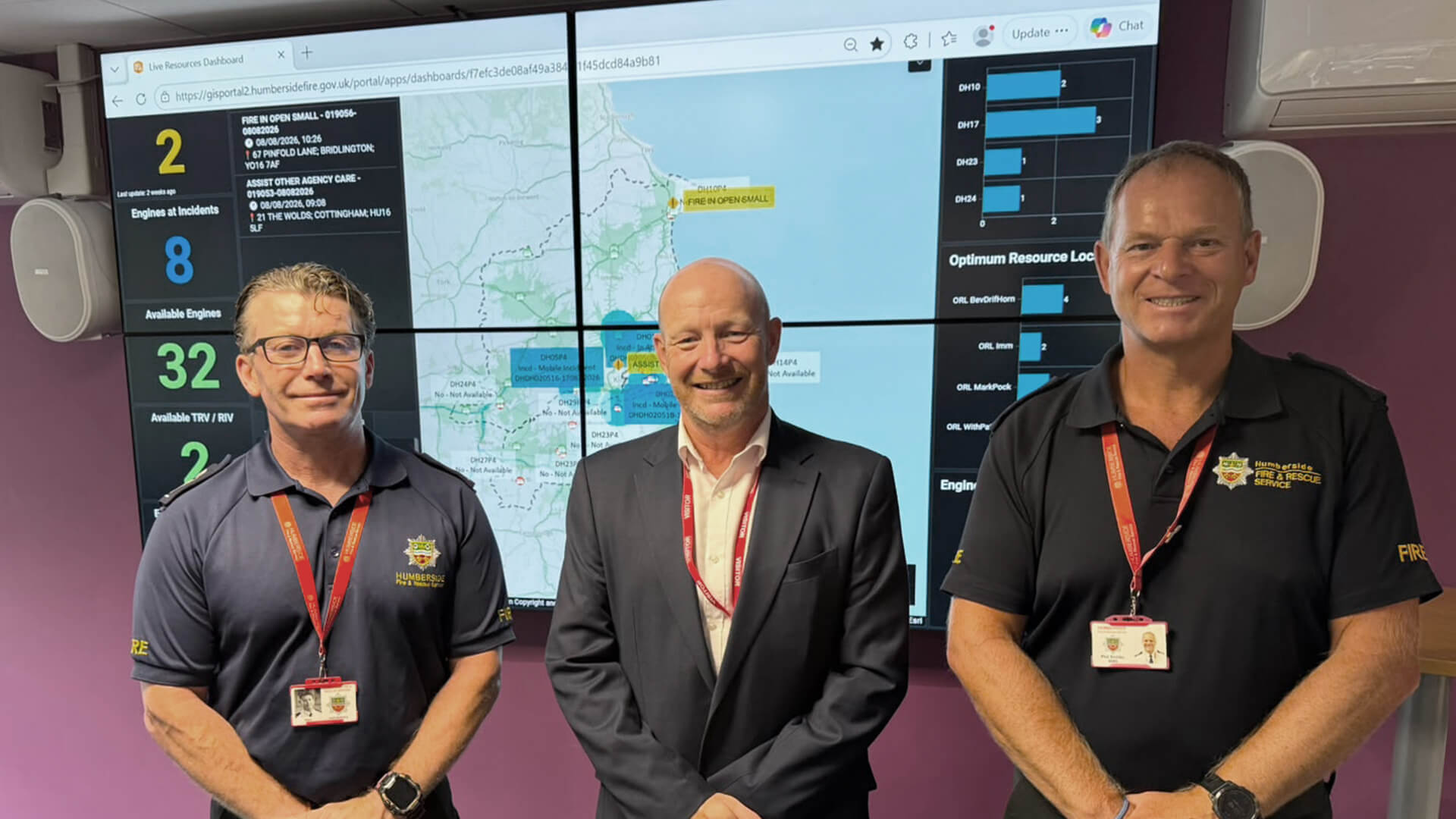
At the very least, simple dashboards can take the pressure off both analyst and operational manager. When all data is structured in the right way – and always ready to generate insight – control rooms can keep their focus on the right response. 

Improving operations with advanced analytics  

AI-enabled analytics tools can also identify historic patterns and emerging trends, informing better planning and more accurate budgeting.  

Let’s take those instances where a dispatched team arrives and either stands down or requests additional resources. Neither outcome is optimal, so understanding which factors are driving them could bring significant benefits. Completing this work manually would be a vast undertaking, but analytics tools can answer the question in an instant. They can show you by location, time of day, time of year or for specific events, how likely it is that a call will require the dispatch of two units, not one.  

Collaboration is another potential benefit, with the ability to gather data on local hotspots automatically and to share it with other agencies as required. 

Updating policies and procedures 

Having access to accurate and trusted data at all times allows standard operating procedures to be updated with greater confidence and their results tracked closely. Of course, changing incident protocols is a process that needs careful handling, as call operators are already coping with the ‘when and what’ of national and local policy change.  

But pushing change through the control room needn’t overload the operator. By guiding operators through any new process automatically, and disclosing information progressively to minimise the cognitive load, smart technologies can help to embed new procedures faster and avoid lengthy training.  

Taking the benefits to call handlers 

Better reporting and analytics tools offer both direct and indirect benefits for call handlers. As well as providing vital information at the point of call answering and dispatch, it can also build flexibility into rotas and reduce the likelihood of short notice shift changes by ensuring a closer match between supply and demand. With wellbeing in the control room a growing concern, and the turnover among newer recruits still too high, these tools can also cross-check data on psychological safety and absence against major incidents to ensure a better balance of high-stress days.   

For many years, data has been the lifeblood of the control room, yet there is huge potential for it to work much harder for call handlers, for analysts and for managers. By streamlining reporting requirements and keeping the focus on the right response, everyone benefits when insight is brought to life. 

___ 

James Godliman is a Control Room Product Manager at NEC Software Solutions