


Removing delay from live facial recognition response
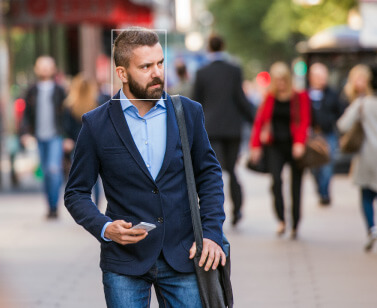
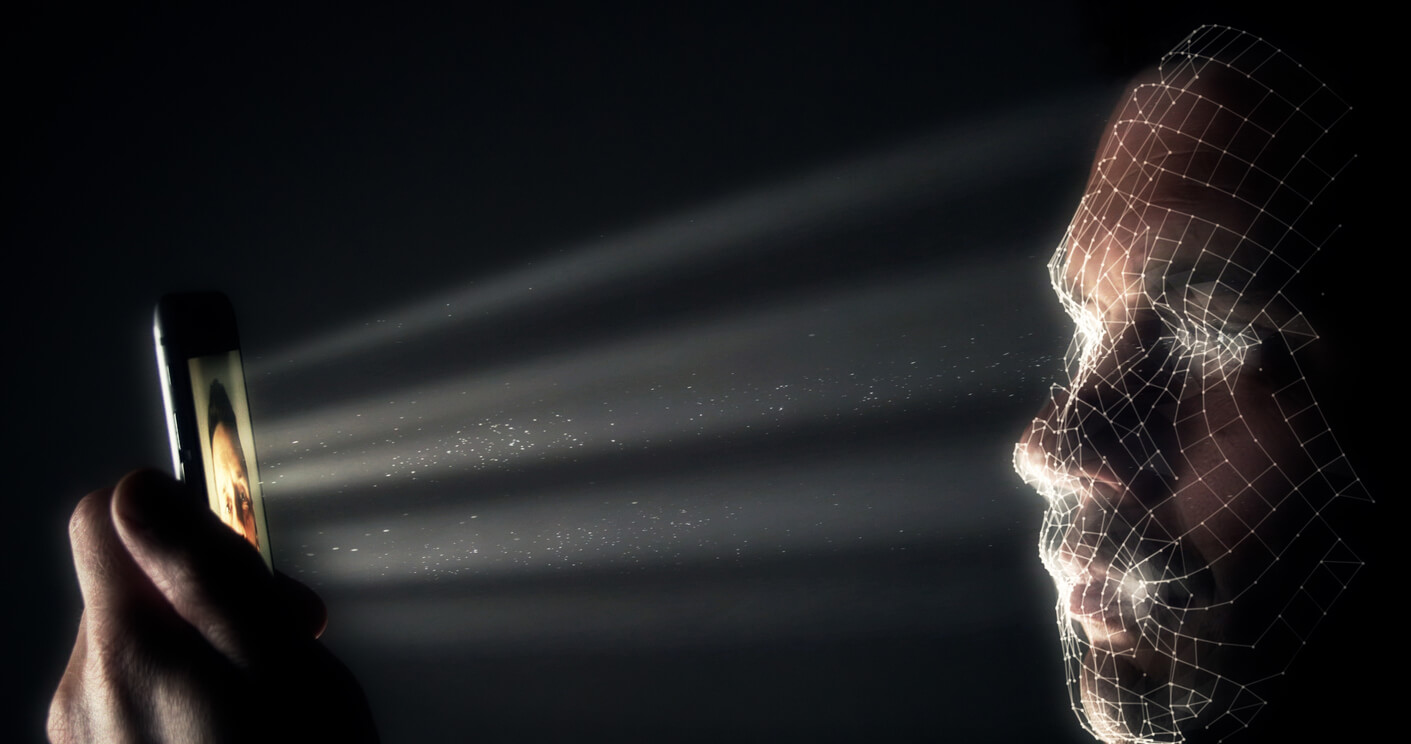
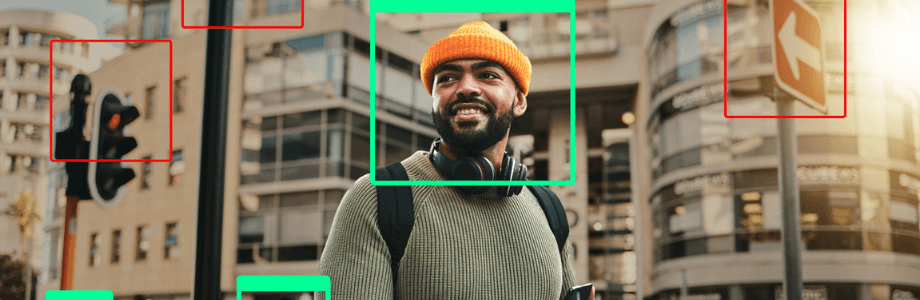
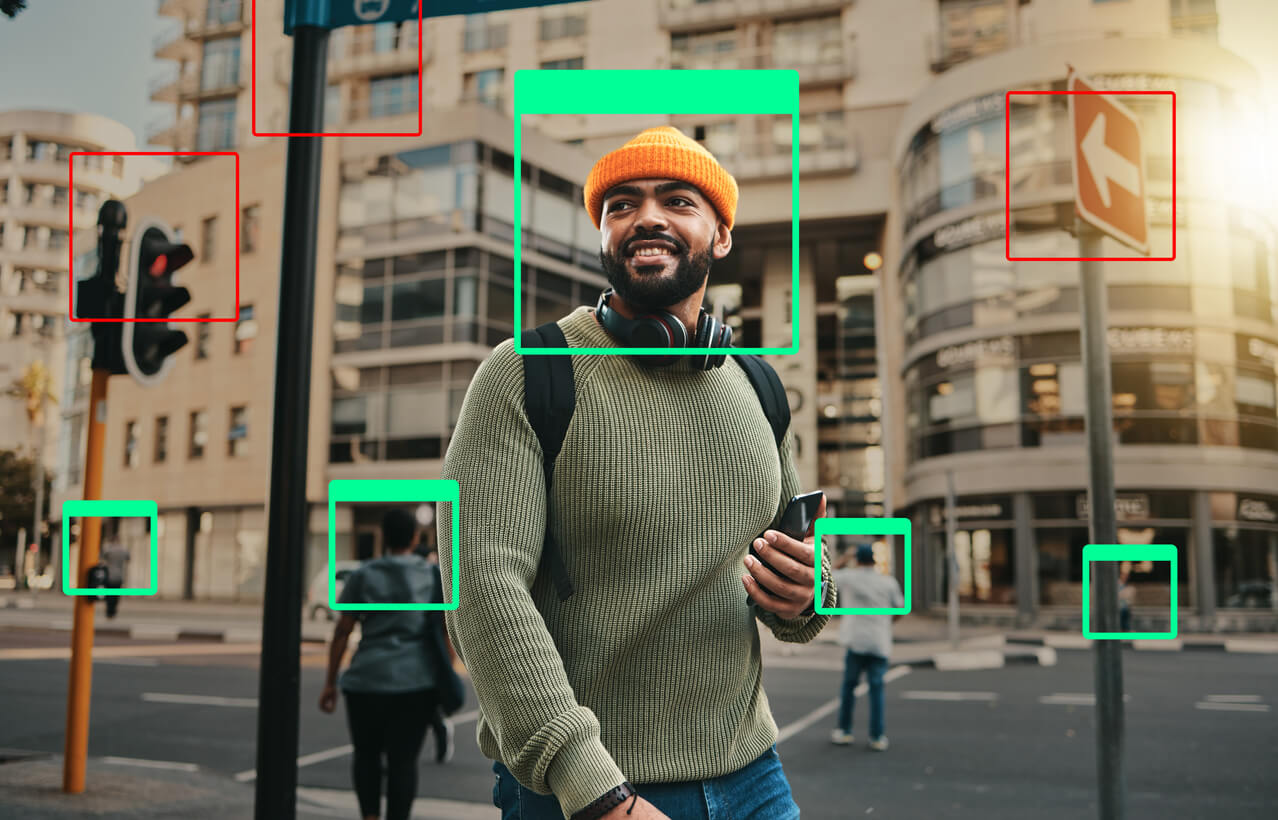
Live facial recognition technology, NeoFace® Watch, is used by police forces across the UK to scan tens of thousands of faces every week, helping identify wanted individuals and vulnerable or missing people in real time.
NEC Robotic Process Automation (RPA) automates the connection between NeoFace Watch and the control room. This ensures that alerts generated in the field are sent directly to our integrated control room solution, ControlWorks, where an incident is created automatically, removing delays, reducing manual effort and improving operational response.
Watch Our Latest Video
Turn facial recognition alerts into immediate operational action

Turn facial recognition alerts into immediate operational action
Control rooms operate under constant pressure. NEC combines trusted facial recognition technology with proven control room automation to help forces respond faster, work smarter and protect the public more effectively.
By automating the flow from NeoFace Watch to ControlWorks, facial recognition alerts are turned into live control room incidents by automatically:
- Creating an incident containing the subject’s details
- Augmenting incident data using other systems, such as the Police National Computer or the force’s Records Management System
- Deploying appropriate resources and informing officers of warning markers or additional risks
The result is faster response, improved data accuracy and greater confidence that critical alerts are acted on quickly and consistently.
Speak To An Expert
Key Features

Automatic incident creation


Creates a control room incident the moment a facial recognition alert is raised.
Direct integration with NeoFace Watch
Alerts are sent straight from the field to ControlWorks with no reliance on radio updates.
Richer incident information
Automatically augments incidents with data from systems such as the Police National Computer and the force’s Records Management System.
Improved officer safety
Ensures warning markers and risk information are available before deployment.
Reduced delay and human error
Removes manual information transfer that can slow response or introduce inaccuracies.

Greater situational awareness
Provides the control room with real time visibility of facial recognition driven operations.